Excess body fat is linked to several cancers. Intentional weight management may reduce some risks, but the evidence differs by cancer type and no outcome can be guaranteed.

10 Evidence-Based Ways to Lower Your Cancer Risk
CancerSnoop · Cancer Prevention
How to Reduce Cancer Risk: 10 Evidence-Based Strategies
Can everyday choices make cancer less likely? Discover 10 evidence-based ways to reduce cancer risk, what research supports, and what prevention cannot guarantee.
How to reduce cancer risk is one of the most important questions in preventive healthcare. Although no lifestyle can guarantee a cancer-free life, research has identified several modifiable risk factors. Avoiding tobacco, staying physically active, maintaining a healthy weight, limiting alcohol, and preventing certain infections can lower the risk of specific cancers.
According to the World Cancer Research Fund, approximately 40% of cancer cases may be preventable at a population level. This does not mean that every individual has control over their diagnosis. Genetics, aging, environmental conditions and chance also play important roles.
How to Reduce Cancer Risk: 10 Practical Strategies
1. Avoid Tobacco and Secondhand Smoke
Tobacco use is among the leading preventable causes of cancer. Smoking increases the risk of lung cancer and several other cancers, including cancers of the bladder, pancreas, mouth and throat.
Quitting smoking provides health benefits even after years of tobacco exposure. Avoiding secondhand smoke also matters because exposure can increase lung cancer risk in people who do not smoke.
Practical action: If you smoke, ask a healthcare professional about evidence-based cessation support. Counseling and approved medications can improve the likelihood of quitting successfully.
2. Maintain a Healthy Body Weight
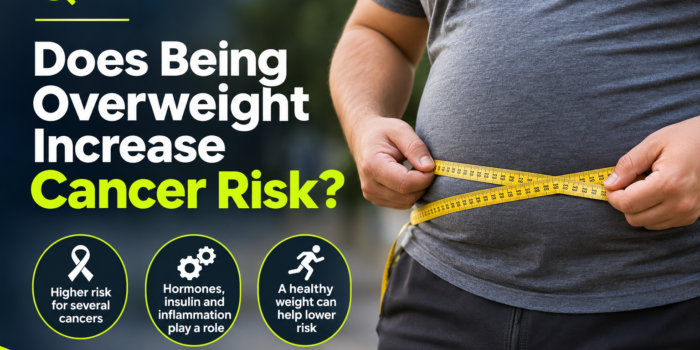
Excess body fatness is associated with increased risk of several cancers, including colorectal, endometrial, kidney and postmenopausal breast cancer.
Potential mechanisms include changes in insulin signaling, chronic inflammation and hormone levels. However, weight is influenced by many biological and social factors, and cancer risk cannot be predicted from body weight alone.
Practical action: Focus on sustainable eating and activity patterns rather than rapid weight-loss products. Seek individualized support when appropriate.
3. Be Physically Active
Regular physical activity is associated with a lower risk of several cancers, particularly colorectal, breast and endometrial cancer. Physical activity also supports cardiovascular health and weight management.
The American Cancer Society recommends that adults aim for 150–300 minutes of moderate-intensity activity or 75–150 minutes of vigorous activity per week.
Practical action: Start with activities you enjoy, such as brisk walking, cycling, dancing or swimming. Increase activity gradually and reduce prolonged sitting.
4. Eat More Whole Grains, Vegetables, Fruit and Beans
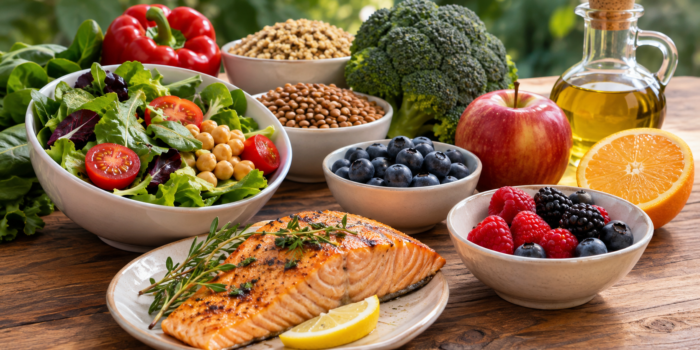
A dietary pattern rich in plant foods provides fiber and essential nutrients. Evidence particularly supports the role of dietary fiber and whole grains in lowering colorectal cancer risk.
No single vegetable, fruit or so-called superfood has been shown to prevent all cancers. Overall dietary patterns matter more than isolated ingredients.
Practical action: Include vegetables or fruit in daily meals, choose whole grains regularly and use beans or lentils as part of a balanced diet.
5. Limit Processed Meat and Moderate Red Meat
Processed meat is classified by the International Agency for Research on Cancer as carcinogenic to humans, based on sufficient evidence linking consumption to colorectal cancer.
Red meat is classified as probably carcinogenic to humans. These classifications describe the strength of evidence that an exposure can cause cancer, not that it is equally dangerous as every other exposure in the same category.
Practical action: Limit processed meats such as bacon, sausages and ham. Consider replacing some red meat meals with fish, poultry, beans or lentils.
6. Avoid or Limit Alcohol
Alcohol consumption increases the risk of several cancers, including breast, colorectal, liver and esophageal cancer.
For cancer prevention, drinking less is generally better. The American Cancer Society states that it is best not to drink alcohol. No level of alcohol consumption has been established as completely risk-free for cancer.
Practical action: Consider alcohol-free alternatives and reduce drinking frequency. If you do not drink, there is no cancer-prevention reason to start.
7. Protect Your Skin From Excessive UV Exposure
Ultraviolet radiation from sunlight and indoor tanning devices can damage DNA and contribute to skin cancers, including melanoma.
Skin protection is important even when the weather feels cool. UV exposure depends on factors such as location, altitude, season and time of day.
Practical action: Seek shade, wear protective clothing, use broad-spectrum sunscreen appropriately and avoid tanning beds.
8. Get Recommended HPV and Hepatitis B Vaccines
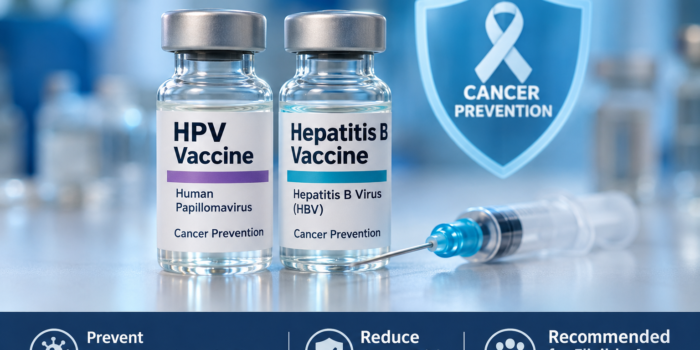
Some cancers are caused by persistent infections. Human papillomavirus (HPV) can cause cervical and several other cancers. Chronic hepatitis B infection increases liver cancer risk.
Vaccination against HPV and hepatitis B can prevent infections that contribute to these cancers. Vaccination recommendations depend on age, previous vaccination history and national guidelines.
Practical action: Review your vaccination status with a healthcare professional. HPV vaccination does not replace recommended cervical screening.
9. Reduce Harmful Environmental and Occupational Exposures
Not every cancer risk comes from personal lifestyle choices. Exposure to substances such as asbestos, radon and certain workplace carcinogens can increase cancer risk.
Air pollution is also recognized as a cancer-related environmental hazard. The ability to reduce these exposures varies substantially according to housing, employment and public policy.
Practical action: Follow workplace safety procedures, use appropriate protective measures and investigate radon testing when relevant to your region or building.
10. Follow Recommended Cancer Screening
Cancer screening is not identical to primary prevention. Many screening tests aim to detect cancer before symptoms develop, when treatment may be more effective.
Some screening procedures can also prevent cancer. For example, colonoscopy can identify and remove certain precancerous colorectal polyps. Cervical screening can identify precancerous changes that may be treated before cancer develops.
Practical action: Discuss age-appropriate screening with your healthcare professional. People with inherited risk, strong family history or previous abnormal findings may need a different schedule.
Which Cancer Prevention Strategies Have Strong Evidence?
| Strategy | Important Evidence |
|---|---|
| Avoid tobacco | Established prevention of multiple tobacco-related cancers. |
| HPV and hepatitis B vaccination | Prevents infections linked to specific cancers. |
| Physical activity | Associated with lower risk of several cancer types. |
| Healthy dietary patterns | Supports risk reduction; evidence varies by dietary factor and cancer type. |
| Limit alcohol | Reduces exposure to an established carcinogen. |
| UV protection | Reduces exposure to a known cause of skin cancer. |
Can Cancer Be Completely Prevented?
No. Even people who follow every major prevention recommendation can develop cancer. Inherited genetic variants, aging, unavoidable exposures and biological processes can contribute to cancer development.
Prevention recommendations describe ways to reduce risk across populations. They cannot guarantee an outcome for an individual. Equally, a cancer diagnosis does not prove that someone failed to make healthy choices.
Frequently Asked Questions About Reducing Cancer Risk
What is the most important way to reduce cancer risk?
For people who use tobacco, quitting is one of the most important steps. Other priorities depend on individual circumstances, including vaccination status, alcohol use, physical activity and relevant exposures.
Can supplements prevent cancer?
There is no reliable evidence that routine vitamin or antioxidant supplementation prevents cancer in the general population. Some supplements may cause harm in certain groups. Supplements should address appropriate nutritional or medical needs rather than be marketed as universal cancer prevention.
Does eating healthy food guarantee cancer prevention?
No. Healthy dietary patterns can contribute to lower risk of certain cancers, but they cannot eliminate cancer risk. Diet should be considered alongside tobacco avoidance, activity, vaccinations and other preventive measures.
Does cancer screening prevent cancer?
Some screening procedures can prevent certain cancers by identifying and allowing treatment or removal of precancerous changes. Other screening tests primarily detect cancer earlier rather than prevent it from developing.
CancerSnoop Bottom Line
How to reduce cancer risk: Focus on avoiding tobacco, staying physically active, maintaining a healthy weight, eating a balanced diet, limiting alcohol, protecting against UV exposure and receiving recommended vaccines. Consider environmental risks and appropriate screening as part of a broader prevention strategy.
No single food, supplement or lifestyle routine can guarantee protection. Evidence-based prevention is about lowering risk, not promising certainty.
Sources and Further Reading
- World Cancer Research Fund — Cancer Prevention Recommendations
- American Cancer Society — Diet and Physical Activity Guidelines
- Rock CL et al. American Cancer Society Guideline for Diet and Physical Activity for Cancer Prevention. PMID: 32515498
- National Cancer Institute — Cancer Causes and Prevention
Educational information only. Individual prevention and screening recommendations should be discussed with a qualified healthcare professional.
Continue Exploring