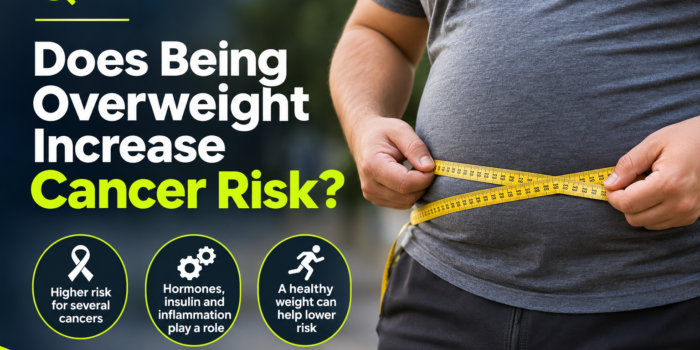
Excess body fat is linked to several cancers. Intentional weight management may reduce some risks, but the evidence differs by cancer type and no outcome can be guaranteed.
Can Diet Reduce Cancer Risk? What the Evidence Shows
CancerSnoop · Cancer Prevention
Can Diet Reduce Cancer Risk? What the Evidence Shows
Food choices influence the risk of some cancers, but there is no single cancer-proof diet. The strongest evidence concerns whole grains and fiber, processed meat, alcohol and long-term dietary patterns.
Diet and cancer prevention deserves a careful look at clinical outcomes, not just headlines. Food choices influence the risk of some cancers, but there is no single cancer-proof diet. The strongest evidence concerns whole grains and fiber, processed meat, alcohol and long-term dietary patterns.
What dietary evidence is strongest?
The most consistent diet-related findings concern colorectal cancer. Whole grains and foods containing dietary fiber are associated with lower colorectal cancer risk. Processed meat increases colorectal cancer risk, and alcoholic drinks cause several cancers. Evidence is not equally strong for every fruit, vegetable, or dietary pattern. A claim about one food should not be treated as a claim about all cancers.
Why fiber and whole grains matter
Whole grains contain fiber and other components that influence digestion and the gut environment. Certain fibers are fermented by intestinal microbes into short-chain fatty acids, including butyrate. These mechanisms are plausible, but population studies cannot prove that any single mechanism explains the observed reduction in colorectal cancer risk. Oats, barley, whole-wheat bread, beans and lentils are practical choices.
Vegetables, fruit and the superfood problem
Vegetables and fruit provide fiber and essential nutrients. Eating a variety of them is a sensible long-term choice. But evidence that broccoli, berries, garlic or any other individual food prevents a particular cancer is much weaker than many headlines suggest. An isolated laboratory finding about a plant compound is not evidence that eating the plant treats cancer in humans.
What to limit: processed meat and alcohol
Processed meat includes bacon, ham, salami and many sausages preserved by curing, smoking or salting. The International Agency for Research on Cancer concluded that processed meat causes colorectal cancer. Alcohol is also carcinogenic and is linked to cancers including breast, liver and colorectal cancer. Switching from spirits to wine does not eliminate exposure to ethanol.
What about sugar and ultra-processed food?
Cancer cells use glucose, but so do normal cells. Cutting sugar from the diet does not selectively starve tumors. Sugar-sweetened beverages can contribute to excess calorie intake and weight gain, which matters because excess body fat increases the risk of several cancers. Ultra-processed foods are a broad category; findings for the category should not be confused with proof that every packaged food causes cancer.
A realistic eating pattern
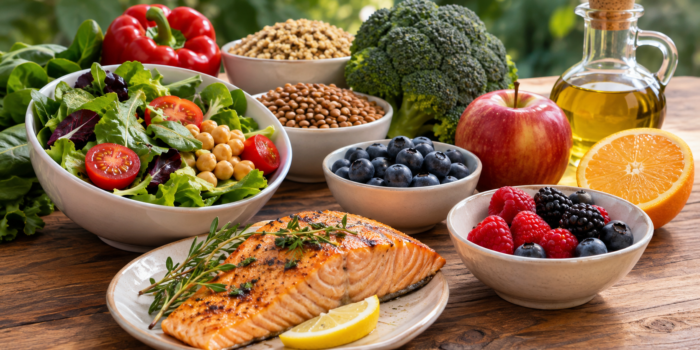
Build meals around whole grains, vegetables, fruit, beans and other minimally processed foods. Replace some processed meat meals with legumes, fish or other alternatives. Choose water more often than sugary drinks and avoid alcohol if cancer prevention is the priority. There is no need to purchase expensive powders or follow a rigid detox diet.
If someone already has cancer
Prevention advice and nutrition during cancer treatment are not interchangeable. People recovering from surgery or experiencing weight loss may need more calories and protein, not additional restrictions. Diet changes should be discussed with the treating team when appetite, swallowing, digestion or weight are affected.
CancerSnoop Bottom Line
Evidence-based conclusion: The evidence supports a fiber-rich, plant-forward diet with limited processed meat and alcohol. No single food prevents cancer, and treatment nutrition requires individual advice.
Sources and Further Reading
Continue Exploring