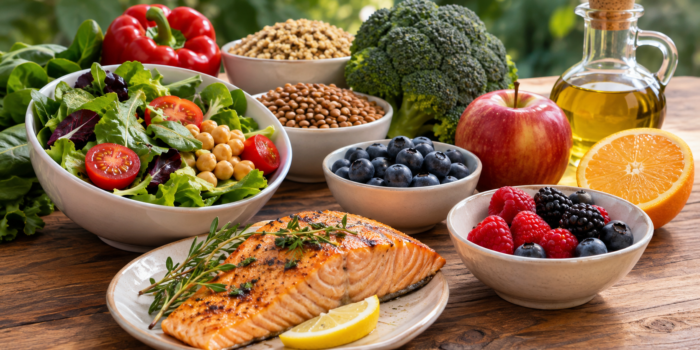
Food choices influence the risk of some cancers, but there is no single cancer-proof diet. The strongest evidence concerns whole grains and fiber, processed meat, alcohol and long-term dietary patterns.
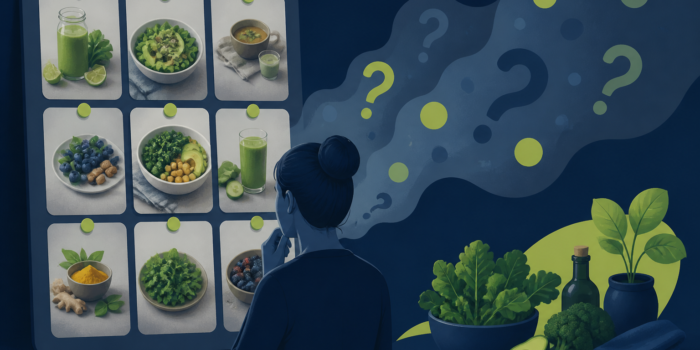
Does Pinterest Spread Misinformation About Cancer Diets?
CancerSnoop Research Explained
At a glance
Cancer nutrition misinformation Pinterest: Many people with cancer and their caregivers search online for diet advice related to cancer. Pinterest, a popular social media platform, shares many recipes and nutrition claims about cancer. This study looked at what kinds of cancer-related diet information appear on Pinterest and how trustworthy they seem. Reference 1
Evidence Coverage
This CancerSnoop article is based on published abstracts. The full methods and analyses were not independently reviewed.
In This Article
- Who and what was studied
In June 2020, researchers searched Pinterest using the terms "cancer recipe" and "recipe for cancer" three times daily for two weeks. They collected 103 unique posts, called pins, after removing duplicates.
Each pin was coded for 58 variables, including cancer claims like prevention, treatment, or cure, and nutrition claims such as specific foods claimed to cure cancer. They also noted the use of academic citations, disclaimers, and personal anecdotes to support the claims.
The study summarized how common different types of health claims were and how often posts tried to provide evidence for their statements.
- Main finding
About 42% of Pinterest cancer recipe posts claimed they could prevent cancer, and 11% claimed they could cure it.
- Open question
It is unknown how seeing these Pinterest posts affects cancer patients’ real dietary choices or health outcomes.
What Did the Researchers Study?
In June 2020, researchers searched Pinterest using the terms "cancer recipe" and "recipe for cancer" three times daily for two weeks. They collected 103 unique posts, called pins, after removing duplicates.
Each pin was coded for 58 variables, including cancer claims like prevention, treatment, or cure, and nutrition claims such as specific foods claimed to cure cancer. They also noted the use of academic citations, disclaimers, and personal anecdotes to support the claims.
The study summarized how common different types of health claims were and how often posts tried to provide evidence for their statements.
What Did the Study Find?
The average user posting about cancer recipes had about 116,000 followers, indicating these posts can reach many people. Nearly half the posts (48.5%) came from for-profit sites, and about one third (34%) were selling a product.
Many posts claimed recipes could prevent cancer (41.8%), treat cancer (27.2%), or even cure it (10.7%). Vague terms like "anti-cancer" or "cancer-fighting" were also common.
The presence of academic citations, disclaimers, or personal stories to support claims varied significantly by claim type. These findings show Pinterest contains common cancer nutrition misinformation that may be motivated by financial gain and could confuse or mislead patients and caregivers.
| What the study found | About 42% of Pinterest cancer recipe posts claimed they could prevent cancer, and 11% claimed they could cure it. Reference 1 |
|---|---|
| What remains unclear | It is unknown how seeing these Pinterest posts affects cancer patients’ real dietary choices or health outcomes. Reference 1 |
How Does the Supporting Research Fit?
A 2020 study of breast cancer posts on Pinterest found that over half of the posts making claims about prevention or treatment contained misinformation. This aligns with the current study's finding that Pinterest is a source of cancer-related health misinformation.
However, the earlier study did not specifically analyze nutrition claims or how posts tried to back their statements. Therefore, the current study offers a more detailed view of cancer nutrition misinformation on Pinterest.
What Does the Guidance Say?
Another research examined recipes shared on Pinterest in 2020 for their ingredients and nutritional content. It found that while popular posts often had higher fat and sugar, influential users also shared healthier recipes.
This shows Pinterest can influence food choices generally but does not directly demonstrate how nutrition misinformation affects cancer patients or their decisions.
What Remains Uncertain?
The study analyzed only 103 pins collected over two weeks from Pinterest, which may not represent all cancer nutrition content online or on other platforms. Its cross-sectional design does not show how exposure to misinformation might change patient or caregiver behavior over time or affect health outcomes.
The study focused on the content posted and did not measure its actual impact on diets or health.
CancerSnoop Bottom Line
CancerSnoop Bottom Line
Pinterest hosts many cancer nutrition posts making unproven or misleading claims, frequently linked to selling products. This snapshot suggests financial motives drive much online misinformation. More research is needed to understand how exposure to this content influences patients and caregivers and what effects it may have.
Sources and References
Reference 2
Breast Cancer Prevention and Treatment: Misinformation on Pinterest, 2018.
American journal of public health 2020 Oct
PMID: 33001732 · DOI: 10.2105/AJPH.2020.305812
CancerSnoop Note: This article provides educational information. Discuss decisions about cancer care with your care team.
Continue Exploring