
Food choices influence the risk of some cancers, but there is no single cancer-proof diet. The strongest evidence concerns whole grains and fiber, processed meat, alcohol and long-term dietary patterns.
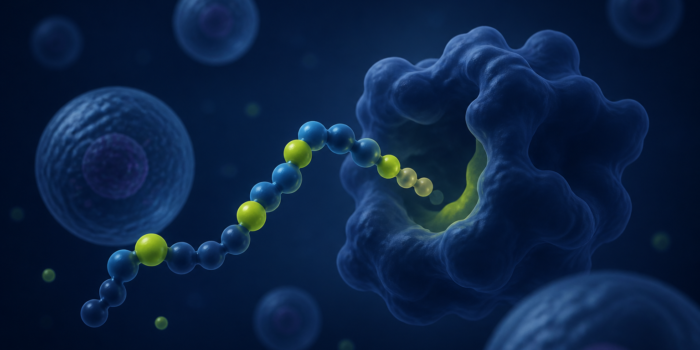
Can peptide HDAC inhibitors improve leukemia treatment?
CancerSnoop Research Explained
At a glance
Peptide HDAC inhibitors leukemia: Leukemia is a blood cancer where abnormal white blood cells grow uncontrollably. This disease is complex, caused by both genetic and environmental factors. Recent studies highlight that changes in gene activity regulation, called epigenetic modifications, especially involving histones, play a key role in leukemia development. Reference 1
Evidence Coverage
This CancerSnoop article is based on published abstracts. The full methods and analyses were not independently reviewed.
In This Article
What Did the Researchers Study?
Histones are proteins that package DNA in cells, and their chemical modifications can turn genes on or off. Histone deacetylases (HDACs) are enzymes that remove acetyl groups from histones, influencing gene expression. In leukemia, these HDACs often malfunction, which is linked to worse outcomes and resistance to standard treatments. The reviewed article discusses the role of HDACs in leukemia and explores the potential of drugs called peptide-based HDAC inhibitors as new targeted therapies. Reference 1
What Did the Study Find?
HDAC inhibitors can affect leukemia cells by restoring normal gene expression patterns disrupted by HDAC malfunction. Peptide-based HDAC inhibitors might provide a more selective approach and potentially reduce side effects compared to other treatments. However, these are theoretical advantages described in the review, not confirmed by clinical trials. Reference 1
| What improved | Dysregulated HDAC activity is common in leukemia and linked to poor outcomes. Reference 1 |
|---|---|
| What remains unclear | The clinical benefits of peptide-based HDAC inhibitors in leukemia remain unproven and require further study. Reference 1 |
How Does the Supporting Research Fit?
Additional research on natural HDAC inhibitors notes that many cancers, including leukemia, show HDAC disturbances. Natural HDAC inhibitors could offer less toxic treatment alternatives. Yet, these are summaries of current knowledge and do not confirm clinical benefits in patients. Reference 2
What Does the Guidance Say?
Similar research investigates HDACs and their inhibitors in other cancers, like liver cancer. Both synthetic and natural HDAC inhibitors are studied to improve existing treatments. This highlights a wide interest in HDACs as therapeutic targets, although outcomes and treatment stages differ by cancer type. Reference 3
What Remains Uncertain?
The main review article is a summary of existing research without new clinical trial data. It discusses the potential of peptide-based HDAC inhibitors but does not provide evidence of their safety or effectiveness in leukemia patients. More clinical studies are needed to establish any benefits or risks. Reference 1
CancerSnoop Bottom Line
CancerSnoop Bottom Line
Using peptide-based HDAC inhibitors for leukemia is a promising concept but remains theoretical until more patient-focused research validates their safety and effectiveness.
Sources and References
Reference 2
Naunyn-Schmiedeberg's archives of pharmacology 2024 Feb
PMID: 37615708 · DOI: 10.1007/s00210-023-02674-4
CancerSnoop Note: This article provides educational information. Discuss decisions about cancer care with your care team.
Continue Exploring