
Food choices influence the risk of some cancers, but there is no single cancer-proof diet. The strongest evidence concerns whole grains and fiber, processed meat, alcohol and long-term dietary patterns.
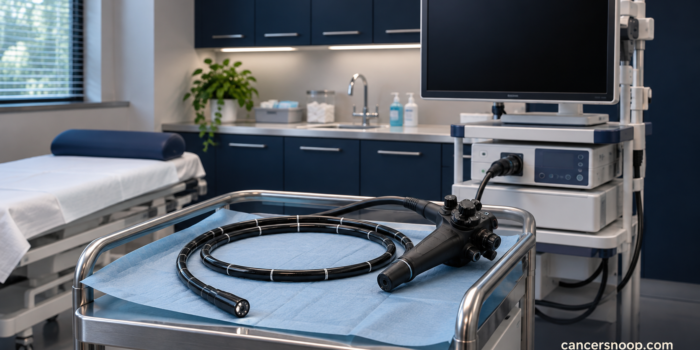
Can a Colonoscopy Miss Colon Cancer?
CancerSnoop Claim Check
Can a Colonoscopy Miss Colon Cancer?
Verdict · SUPPORTED
Can a colonoscopy miss colon cancer? Yes, it can miss a lesion, even though it is an important screening and diagnostic test. The quality and completeness of the examination help determine how to interpret a normal result.
Claim Statement
A colonoscopy can miss an existing colorectal cancer or a precancerous lesion.
Claim Origin
This question comes up when a person has symptoms after a normal examination or hears about cancer diagnosed between scheduled screening examinations.
How can a colonoscopy miss colon cancer or a polyp?
The doctor examines the inside of the colon through a camera on a flexible tube. Visibility depends partly on how well bowel preparation cleared the colon. Stool or liquid can obscure small areas. Some lesions are flat or blend with the surrounding surface, and the colon has folds that need to be inspected. Reaching the end of the colon and having enough visibility to inspect it are distinct measures. The report can help you understand whether the examination met both goals. [1] [2]
What studies of back-to-back exams actually measure
A meta-analysis pooled studies in which participants had two colonoscopies close together, allowing researchers to identify lesions on the second exam that were not seen on the first. The authors estimated miss rates for adenomas and described differences by lesion type. An adenoma is a type of polyp that can develop into cancer over time. In the studies, the chance of missing a lesion varied with its shape and location. The result is useful for improving the way doctors inspect the colon. It should not be read as a percentage of patients whose cancer was missed. [3]
What to look for in your report
Check whether the endoscopist reached the cecum, which is the first part of the colon and the far end of the exam from where the scope enters. Look for the description of bowel preparation and any statement about a segment that was hard to see. If a polyp was removed, look for the separate pathology report and the recommended follow-up interval. The recommendation can depend on the number, type and size of polyps and whether the doctor was confident they were completely removed.
If the preparation was poor or the exam incomplete, ask how the remaining question will be addressed. Your team can explain whether a repeat examination or a different test makes sense for that particular reason.
What if symptoms continue after a normal examination?
Screening is aimed at people without symptoms. Persistent bleeding, changes in bowel habits or unexplained anemia are clinical questions in their own right. If a symptom prompted the colonoscopy and is still happening, tell the clinician who ordered it. Bring the report if it was performed somewhere else. Other conditions may explain the symptoms, and the clinician can decide which evaluation fits the history and previous findings. If you are symptom-free, use the follow-up interval recommended for your exam and individual risk rather than a number pulled from a study of missed polyps.
How family history fits in
Tell the clinician if a parent, sibling or child had colorectal cancer or advanced polyps, and share the age at diagnosis if you know it. A screening recommendation for someone at average risk may differ from the plan for someone with an important family history. Bring this information when reviewing what your last examination means and when the next one should occur.
If you are asking “can a colonoscopy miss colon cancer?” because of a symptom, bring the symptom history and the examination report to the same visit.
Sources and References
Continue Exploring