HER2 IHC 2+ is an equivocal protein-staining result in breast cancer. A second test, usually in situ hybridization (ISH), helps determine the final HER2 status. Read the final interpretation alongside both results.

Mammogram After Lumpectomy: What Follow-Up Looks Like
CancerSnoop Test Guide
Mammogram After Lumpectomy: What Follow-Up Looks Like
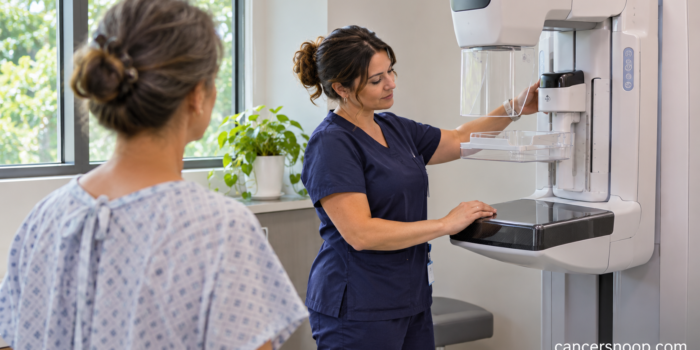
After breast-conserving treatment, your team may give you a new schedule for breast imaging.
| Test Name | Surveillance mammography after breast-conserving surgery |
|---|---|
| Test Type | Imaging |
| What It Measures | New or changing findings in the remaining breast tissue, interpreted in light of surgery, radiation and prior imaging. |
| Used For | Monitor the treated breast and the other breast according to the individualized follow-up plan. |
| Typical / Reference Range | The report describes the findings, overall assessment and recommended interval. |
Why a mammogram after lumpectomy can look different
Lumpectomy removes a section of breast tissue. Surgery and radiation can change what the area looks like on future images. The first follow-up mammogram can give the radiologist a reference for later studies. Bring or arrange transfer of earlier scans if different facilities performed the treatment and the surveillance. Tell the team when the operation and radiation took place so the report can interpret findings in the right clinical context. [1] [2]
What a comparison is meant to answer
The radiologist looks for changes since prior studies and considers whether the location matches the treated area. A finding may be described in relation to the surgical site, to a previous marker or to a separate area. If the team recommends more views, ask whether it is evaluating the expected appearance after treatment or investigating a distinct finding. The final assessment should say what the radiologist recommends next. [1] [2]
Who determines the schedule
The plan depends on the operation performed, the use of radiation and your care team's recommendations. The American Cancer Society describes a common first mammogram window after surgery and radiation and regular mammography afterward. For someone who did not have radiation, or has a different risk profile, the team can give a schedule specific to that situation. Ask whether the order is written for both breasts and which clinic will handle ongoing surveillance. [1] [3]
How this differs from symptom evaluation
An appointment scheduled for routine follow-up handles a defined surveillance question. A new lump, persistent change in the skin or another new symptom is information to share with your care team when you notice it. The team can decide how that symptom should be evaluated and whether the planned appointment should be changed. When calling, mention where the symptom is and which treatment you had on that side.
What to put in your follow-up plan
Include the approximate date for the first exam, the imaging center, who orders the exam and who explains the result. If you are transferring care, ask for a brief treatment summary and keep your prior reports accessible. After each visit, write down the next recommended interval. A specific date and clinic contact make the recommendation easier to follow than a general note to get another mammogram later. [3]
Who should receive the report?
Many people see more than one clinician after surgery. Ask whether the breast team, oncology service or primary care clinician will receive and explain the report. Give the imaging center the contact information for the team coordinating follow-up. Check that your portal shows the final recommendation once the appointment is complete.
Sources and References
Continue Exploring