
CancerSnoop Claim Check Can Fenbendazole Treat Cancer? Fenbendazole…
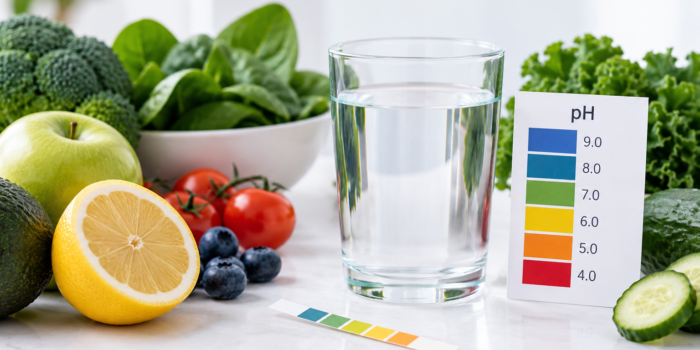
Does Cancer Thrive in an Acidic Body?
CancerSnoop Claim Check
Alkaline Diet and Cancer: Can Changing Your Body’s pH Stop Cancer?
The alkaline diet and cancer claim confuses the acidic environment around some tumors with the pH of the entire body.
Tumors can develop an acidic local environment. But eating alkaline foods or drinking alkaline water cannot meaningfully change blood pH enough to treat cancer.
The relationship between an alkaline diet and cancer is one of the most persistent claims in alternative cancer advice.
Supporters argue that cancer thrives in an acidic body and that making the body more alkaline can prevent or even reverse the disease.
The claim sounds scientific because tumors really can have an acidic environment. But it leaves out a crucial distinction: the environment immediately surrounding a tumor is not the same as the pH of your blood or your entire body.
The Claim: Alkaline Diet and Cancer
The claim says that cancer develops or grows because the body becomes too acidic. According to this theory, eating alkaline foods, drinking alkaline water or taking alkalizing supplements can make the body less hospitable to cancer.
Some versions go further, claiming that cancer cannot survive in an alkaline body.
The idea is often promoted alongside lists of supposedly acidic and alkaline foods, urine pH tests, specialized supplements and expensive water products.
FALSE
Evidence Strength: Strong
Tumor acidity is real biology. The false part is the claim that cancer develops because the whole body is acidic, or that dietary changes can substantially raise blood pH and thereby treat cancer.
Safety: Caution — Potential Harm
The Short Answer
Cancer can create and adapt to acidic conditions immediately around a tumor. That does not mean a person with cancer has an acidic body.
Blood pH is tightly regulated by the lungs, kidneys and chemical buffering systems. Diet can influence urine pH much more readily than blood pH.
There is no established clinical evidence that an alkaline diet or alkaline water can cure cancer, stop tumor growth or replace evidence-based cancer treatment.
The alkaline diet and cancer theory takes a real observation from tumor biology and incorrectly applies it to the entire body.
What Does the Scientific Evidence Say?
A systematic review published in BMJ Open in 2016 examined the relationship between dietary acid load, alkaline water and cancer outcomes.
Researchers screened thousands of records but found only one observational study that met their inclusion criteria. That study examined dietary acid load and bladder cancer risk and found no statistically significant association.
The review found no studies evaluating alkaline diets or alkaline water as a treatment for cancer.
The authors concluded that promoting alkaline diets or alkaline water for cancer prevention or treatment was not justified by the available evidence.
Importantly, this is a lack of supporting clinical evidence, not proof that every possible dietary pattern has been tested in every cancer.
What Is True
Tumor acidity is real.
Many tumors develop an acidic microenvironment. Scientists are studying how this can influence cancer behavior, immune responses, invasion and treatment resistance.
What Is False
Diet cannot alkalize the whole body to kill cancer.
There is no established evidence that alkaline foods or alkaline water change blood pH enough to treat cancer.
Does Cancer Thrive in an Acidic Body?
This question contains a real scientific observation, but its wording is misleading.
Cancer cells often have altered metabolism. Many tumors consume large amounts of glucose and produce acidic metabolic products, including lactate.
Poor blood flow inside tumors can also make it harder to remove these products.
The result can be an acidic tumor microenvironment: a localized area immediately surrounding tumor cells.
Research suggests that this environment can influence cancer-cell behavior, immune responses, invasion and resistance to treatment.
But none of this demonstrates that the person’s entire body is acidic or that an alkaline diet can reverse these local conditions.
The Crucial Distinction
Tumor pH is not whole-body pH.
An acidic environment immediately around a tumor is not the same as having an acidic body.
The alkaline diet and cancer claim takes a real feature of tumor biology and applies it incorrectly to the entire body.
Can Food Change the pH of Your Blood?
Not in the way the alkaline-cancer theory suggests.
The body normally maintains arterial blood pH within a narrow range of approximately 7.35 to 7.45.
Your lungs regulate carbon dioxide, while your kidneys help control acid excretion and bicarbonate balance. Chemical buffers also help maintain this balance.
Food choices can change the acidity of urine, but they do not meaningfully shift blood pH outside its tightly regulated range in a healthy person.
Significant disturbances in blood pH are medical abnormalities, not a nutritional goal.
Understanding pH
Blood pH and urine pH are not the same.
Diet can change urine pH because the kidneys excrete acids and bases to maintain the body’s internal balance.
A urine pH change does not prove that the whole body has become more acidic or more alkaline.
Where Did the Alkaline Diet and Cancer Claim Come From?
The theory combines several observations that sound convincing when placed together:
- Many tumors have an acidic microenvironment.
- Diet can influence urine pH.
- Some foods are classified as alkaline-forming.
- Plant-rich diets can be part of a healthy eating pattern.
The mistake is connecting these observations to the conclusion that eating alkaline foods can raise blood pH and make cancer unable to survive.
That conclusion does not follow from the biology.
Are Alkaline Foods Still Healthy?
Yes. Many foods promoted in alkaline diets, including vegetables, fruits and legumes, can be part of a nutritious eating pattern.
However, their nutritional benefits do not come from making the blood alkaline enough to kill cancer.
People undergoing cancer treatment may also have individual nutritional needs. Restricting entire food groups without medical guidance can make it harder to obtain adequate calories and protein.
Healthy Food, Wrong Explanation
Good nutrition does not validate the alkaline-cancer theory.
Vegetables, fruits and other nutritious foods can support a balanced diet without changing blood pH enough to treat cancer.
Does Alkaline Water Help Treat Cancer?
There is no established clinical evidence that alkaline water treats cancer by changing the body’s pH.
The digestive system normally handles substances with very different acidity levels. Drinking alkaline water does not selectively neutralize the acidic environment surrounding a tumor.
The alkaline diet and cancer marketing narrative sometimes promotes expensive water systems as though they offer a medical advantage. Such claims should be evaluated against human clinical evidence, not product testimonials.
Could an Alkaline Diet Be Harmful During Cancer Treatment?
Eating more vegetables is not usually the concern. The potential harm comes from restrictive diets, unnecessary supplements and replacing effective medical care with unproven approaches.
Cancer and its treatments can already make it difficult to maintain adequate nutrition.
A highly restrictive diet may make it harder for some patients to consume enough calories, protein and essential nutrients.
Potential Risks
Nutrition and treatment safety matter.
- Unnecessary food restriction
- Inadequate calorie or protein intake
- Unintended weight or muscle loss
- Unnecessary alkalizing supplements
- Spending money on products with unproven cancer claims
- Delaying or replacing evidence-based cancer treatment
CancerSnoop Safety Warning
An alkaline diet is not a substitute for cancer treatment.
An alkaline-style eating pattern cannot replace surgery, chemotherapy, radiation therapy, immunotherapy, targeted therapy or other evidence-based treatments.
If you are undergoing treatment, discuss restrictive diets or alkalizing supplements with your oncology team.
What Do We Still Not Know?
There is an important area of scientific research beneath the misleading alkaline diet and cancer claim: tumor acidity itself.
Researchers are investigating whether the acidic tumor microenvironment can be targeted therapeutically.
They are also studying whether modifying local tumor metabolism or pH-related pathways could influence cancer progression or treatment response.
These are legitimate research questions, but they are not equivalent to changing whole-body pH through diet or alkaline water.
Related CancerSnoop Articles
CancerSnoop Bottom Line
CancerSnoop Bottom Line
Tumors can be acidic. That does not mean your body is acidic.
The alkaline diet and cancer claim confuses two very different things: localized tumor acidity and the body’s tightly regulated blood pH.
Tumor acidity is real cancer biology. But there is no established clinical evidence that alkaline diets or alkaline water can prevent, slow or cure cancer by making the body alkaline.
Healthy eating matters. An unsupported explanation for why certain foods are healthy does not make them a cancer treatment.
Scientific Sources
1. Systematic Review of the Association Between Dietary Acid Load, Alkaline Water and Cancer
Fenton TR, Huang T.
BMJ Open. 2016;6:e010438.
PMID: 27297008
DOI: 10.1136/bmjopen-2015-010438
2. The Acidic Tumor Microenvironment as a Driver of Cancer
Boedtkjer E, Pedersen SF.
Annual Review of Physiology. 2020;82:103–126.
PMID: 31730395
DOI: 10.1146/annurev-physiol-021119-034627
3. Alternative Cancer Diets
Cancer Research UK.
Patient guidance on alternative cancer diets, including the alkaline diet.
Cancer Research UK →Questions for Your Doctor
If you are considering an alkaline diet, alkaline water or alkalizing supplements during cancer treatment, useful questions include:
- Do I need to make any specific dietary changes during treatment?
- Am I getting enough calories and protein?
- Could supplements interfere with my treatment or medications?
- Is there clinical evidence that changing dietary pH helps with my cancer?
- Would an oncology dietitian help me plan a nutritionally adequate diet?
Last Reviewed: September 17, 2026.
CancerSnoop Note: This article provides evidence-based educational information and does not replace advice from your cancer care team.
Related Posts


Comments (0)