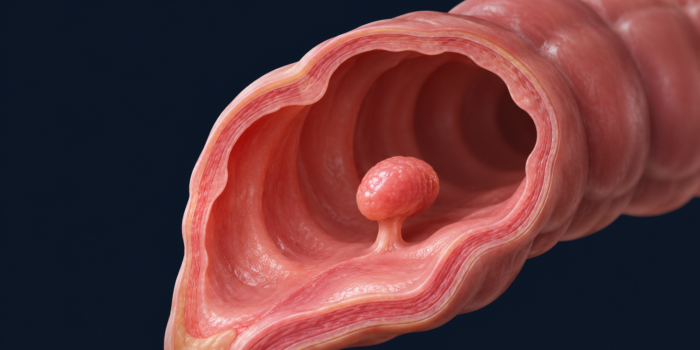
Clear margins generally mean no cancer was found at the examined edges of the tissue removed during surgery. The rest of the pathology report helps explain what that means for follow-up.

Is frontline blinatumomab effective for adult B-ALL patients?
CancerSnoop Research Explained
At a glance
Frontline blinatumomab B-ALL: Frontline blinatumomab shows strong effectiveness for adults with Philadelphia chromosome-negative B-cell acute lymphoblastic leukemia (Ph- B-ALL), improving survival compared to chemotherapy alone. Reference 1
| Main finding | Nearly half of patients relapsed within three years, with 49% to 69% surviving beyond three years after chemotherapy. |
|---|---|
| What remains unclear | The benefit of rituximab in frontline treatment remains inconclusive. |
Evidence Coverage
This CancerSnoop article is based on published abstracts. The full methods and analyses were not independently reviewed.
In This Article
What Did the Researchers Study?
A systematic literature review examined 96 studies published from 2012 to 2026 on initial drug treatments in adults with Ph- B-ALL. These included 43 interventional trials and 53 observational studies.
The review focused on blinatumomab, a therapy that directs immune cells to attack leukemia cells. Among patients treated with standard chemotherapy, nearly half relapsed within three years, and only 49% to 69% survived beyond three years.
In contrast, blinatumomab consistently showed strong benefits during first complete remission (CR1). One randomized controlled trial found that adding blinatumomab during consolidation lowered the risk of death by 59% (hazard ratio 0.41) compared to chemotherapy alone in patients without measurable residual disease (MRD).
In a single-arm trial, median overall survival reached 41.2 months for MRD-positive patients treated with blinatumomab monotherapy in CR1. The drug's effectiveness was consistent across different ages, MRD status, and chemotherapy protocols.
What Did the Study Find?
Blinatumomab improved survival and reduced relapse risk, especially in patients who had no detectable leukemia after initial therapy (MRD-negative). Combining inotuzumab with or without blinatumomab showed promise in older patients.
The benefit of rituximab was unclear. No new safety issues were reported for targeted therapies in the frontline setting.
How Does the Supporting Research Fit?
A review of treatment at MD Anderson Cancer Center found that adding blinatumomab and inotuzumab to chemotherapy improved survival rates in adult ALL. They reported up to 85% three-year survival in younger patients and 50% five-year survival in older adults using these therapies combined with tailored chemotherapy.
This supports that early use of these immunotherapies may improve outcomes, though many are still being studied and exact benefits of blinatumomab alone need more confirmation.
What Does the Guidance Say?
A meta-analysis focusing on frontline blinatumomab regimens in adolescents and adults with Ph- B-ALL found a 77% complete remission rate, 88% MRD negativity rate, and a 67% three-year overall survival. Severe side effects like cytokine release syndrome and neurotoxicity occurred in fewer than 10% of patients, showing manageable risks.
Differences in survival were linked more to patient health and chemotherapy intensity than the timing of blinatumomab treatment, highlighting the need to tailor therapy to patient factors and ongoing research.
What Remains Uncertain?
Most data come from studies using blinatumomab combined with other drugs or single-arm trials without random comparisons, so the exact benefit size is uncertain. Survival outcomes vary by patient population and treatment approach.
Long-term results beyond five years are unclear. Evidence for some agents like rituximab is mixed.
Much of the data are from clinical trials and observational studies rather than general real-world use, which may limit applicability.
CancerSnoop Bottom Line
CancerSnoop Bottom Line
Blinatumomab is an effective and generally safe frontline treatment for adults with Philadelphia chromosome-negative B-cell ALL, improving remission rates and survival over chemotherapy alone. More research is needed to confirm benefits across all patient groups and to define its best use with other therapies.
Sources and References
Reference 1
Hematology (Amsterdam, Netherlands) 2026 Dec 31
PMID: 42711755 · DOI: 10.1080/16078454.2026.2720973
Reference 2
The evolution of acute lymphoblastic leukemia research and therapy at MD Anderson over four decades.
Journal of hematology & oncology 2023 Mar 16
PMID: 36927623 · DOI: 10.1186/s13045-023-01409-5
Reference 3
Clinical lymphoma, myeloma & leukemia 2026 Feb
PMID: 41320605 · DOI: 10.1016/j.clml.2025.10.014
CancerSnoop Note: This article provides educational information. Discuss decisions about cancer care with your care team.
Continue Exploring