A mammogram after lumpectomy looks for changes in the remaining breast tissue. After breast-conserving surgery and radiation, the first examination is often scheduled about 6 to 12 months after radiation ends. Confirm your timing with the team that manages your follow-up.
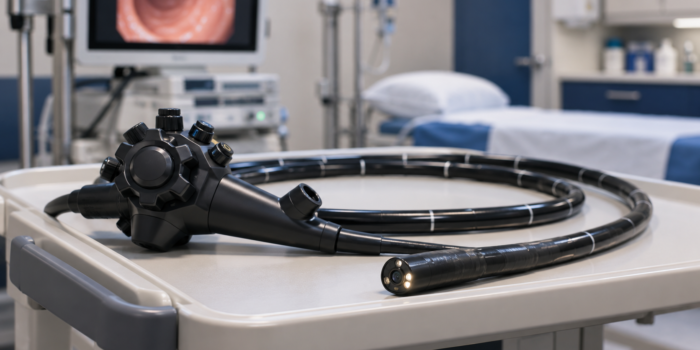
Colonoscopy After Colon Cancer Surgery: Why You Still Need It
CancerSnoop Follow-Up Guide
Colonoscopy After Colon Cancer Surgery: Why You Still Need It
Colonoscopy after colon cancer surgery examines the lining of the remaining bowel. Its timing depends on earlier examinations, polyp findings and your individual follow-up plan.
| Test Name | Surveillance colonoscopy |
|---|---|
| Test Type | Screening test |
| What It Measures | Direct examination of the remaining bowel lining, with polyp removal or tissue sampling when indicated. |
| Used For | Assess the colon after cancer surgery and find lesions requiring removal or further assessment. |
What is the examination checking now?
Colonoscopy after colon cancer surgery gives the clinician a direct view of the remaining colon lining. Surgery removed the diseased section, but the rest of the bowel still needs appropriate assessment. The examination can find polyps that can be removed and areas that need tissue sampling. It can also allow inspection of a join in the bowel when that is accessible. Ask what the clinician expects to examine in your particular operation, especially if you have a stoma or a different bowel arrangement. [1]
Was the whole colon examined before surgery?
A tumor can sometimes prevent the scope from passing through the bowel, so the initial examination may not have assessed the entire colon. The team then needs a plan to complete that assessment. When you look at your appointment date, ask whether it is intended to complete the initial examination or to provide surveillance after a complete earlier examination. Those purposes can affect timing. Keep the original colonoscopy report if you have it, because it records how far the scope reached and whether preparation was adequate. [1]
Why do guidelines mention one year, three years and five years?
US Multi-Society Task Force guidance commonly starts surveillance one year after curative surgery or the clearing examination. If that examination is suitable and the findings allow, the next interval is three years and a later interval can be five years. These are gaps between examinations, rather than appointments at years one, three and five after surgery. European guidance also describes a one-year examination followed by longer intervals when appropriate. Your clinician should explain which recommendation applies to you and which examination starts the clock. [2]
What can change the interval?
Polyps, incomplete removal, inadequate bowel preparation and an incomplete examination can change what happens next. An inherited condition may require a different surveillance plan. Age, other illnesses and whether a future finding could be treated also enter the discussion. Avoid choosing a date from a general schedule without the colonoscopy and pathology results. Ask for the final recommendation after any tissue results are back. If an earlier letter and a later message give different dates, ask the endoscopy team which is the current plan. [1]
Why does a normal scan not settle the colonoscopy question?
A routine follow-up CT examines structures in the body using cross-sectional images. Colonoscopy examines the bowel lining directly and can remove many polyps at the same procedure. A reassuring scan therefore does not automatically answer the question the endoscopist is checking. If a test is difficult for you, discuss the reason and possible alternatives with the team. Ask how an alternative would address the same clinical question and what would happen if it found something needing a biopsy or removal. [4]
How can you prepare for the booking conversation?
Tell the endoscopy service about your operation, stoma if present and any medicines they need to review. Ask for written preparation instructions specific to your appointment. Follow those instructions, and contact the unit if you cannot complete the preparation or are unsure about medicines. The quality of preparation affects how well the bowel can be examined. If sedation is planned, ask about transport and the unit's instructions afterward. Make those arrangements before the day of the examination so the booking can go ahead. [4]
What should you take away from the result?
Ask whether the examination was complete, whether preparation was adequate and whether anything was removed. If a polyp or biopsy went to pathology, confirm when the result will be available and who will contact you. You need the final result and the follow-up interval together. Record the date or interval in your care plan and check who is responsible for recalling you. A result described as reassuring is easier to use when it comes with a specific next step and a named contact. [1]
Does rectal cancer follow the same endoscopy plan?
The broad follow-up principles overlap, but some rectal operations require additional local examinations. A person who had a transanal excision, for example, may have a local examination schedule alongside colonoscopy. This article focuses on the colonoscopy question rather than setting a universal plan for every rectal procedure. Ask your surgeon which part of the bowel each planned examination covers. If the names of the procedures differ, request a short explanation of the purpose and preparation for each one before you book them. [3]
Sources and References
- Colonoscopy surveillance after colorectal cancer resection
- Endoscopic surveillance after surgical or endoscopic resection for colorectal cancer: European Society of Gastrointestinal Endoscopy (ESGE) and European Society of Digestive Oncology (ESDO) Guideline
- Living as a Colorectal Cancer Survivor
- Colon and Rectal Cancer Follow-Up Care Expanded Version
Evidence coverage: guidance and educational sources were checked for this guide. Recommendations are described within their clinical scope. This educational article does not replace your care team’s interpretation of your results.
Continue Exploring