Can supplements interfere with cancer treatment?
The short answer
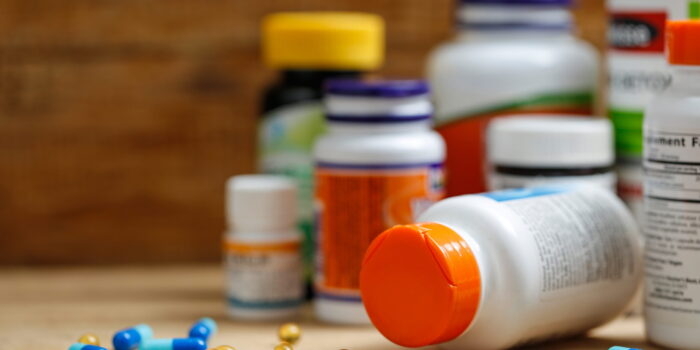
Yes. Some supplements can interfere with cancer treatment. Certain vitamins, minerals, herbal products and other dietary supplements can change how cancer medicines are absorbed, broken down or removed from the body. Others may increase side effects or work against the intended effects of treatment.
This does not mean every supplement is dangerous. The risk depends on the specific supplement, dose and cancer treatment. That is why patients should tell their oncology team about every vitamin, herb or supplement they take.
What the evidence says
Cancer treatments can be affected by other substances a person takes, including dietary supplements and herbal products. Some supplements can influence enzymes and transport proteins that the body uses to process medicines. This can change the amount of a cancer drug in the bloodstream and potentially alter its effects or side effects.
Antioxidant supplements are another area of concern. Some cancer treatments work partly by creating oxidative damage in cancer cells, and researchers have investigated whether high-dose antioxidant supplements could interfere with this process. The evidence is not the same for every antioxidant or treatment, so broad conclusions should be avoided.
Herbal products can also cause clinically important interactions. For example, St. John’s wort can alter the metabolism of several medicines and may lower levels of certain cancer drugs.
The safest approach is not to assume that a supplement is harmless because it is “natural.” Patients should give their oncology team a complete list of vitamins, herbs and supplements they use so potential interactions can be checked.
Where the claim comes from
The idea that supplements are always safe often comes from the fact that many are sold without a prescription and are described as “natural.” But natural products can still contain biologically active substances that affect the body and interact with medicines.
Cancer treatment makes this especially important. Chemotherapy, targeted therapies and other cancer medicines can have complex interactions with substances that change how drugs are absorbed or metabolized.
At the same time, warnings about supplements can also become too broad. Not every supplement interferes with every cancer treatment. The specific product, dose and treatment matter.
CancerSnoop takeaway: “Natural” and “available without a prescription” do not mean “interaction-free.”
Could this be harmful?
Yes. An interaction could potentially increase treatment side effects or reduce the effectiveness of certain cancer medicines. The risk depends on the supplement, its dose and the treatment being used.
Another problem is that patients may not mention supplements to their oncology team because they do not consider vitamins or herbal products to be medications. This can leave the treatment team unaware of a possible interaction.
Using supplements normally does not mean something bad will happen, but they should be reviewed as part of the complete medication list during cancer treatment.
CancerSnoop warning: Tell your oncology team about every vitamin, herb and dietary supplement you take — including products you use only occasionally.
What we still don’t know
There are thousands of dietary supplements and many different cancer treatments, so researchers do not have high-quality interaction data for every possible combination.
The effects can also depend on the dose, formulation and timing of a supplement, as well as the specific cancer medicine being used.
More research is needed to understand which supplements are safe, which may be helpful in specific situations, and which should be avoided during particular cancer treatments.
Sources
1. National Cancer Institute — Cancer Therapy Interactions With Foods and Dietary Supplements
Reviews known and potential interactions between cancer therapies and foods, herbs, vitamins, and dietary supplements.
National Cancer Institute source →
2. Memorial Sloan Kettering Cancer Center — About Herbs, Botanicals & Other Products
Evidence-based information about herbs and supplements, including potential interactions with cancer medicines.
Memorial Sloan Kettering source →
3. American Cancer Society — Dietary Supplements: What Is Safe?
Explains why supplements can have risks, interact with medicines, and why people undergoing cancer treatment should discuss supplement use with their healthcare team.
American Cancer Society source →
Questions for your doctor
If you take vitamins, herbs or dietary supplements during cancer treatment, you may want to ask:
• Are any of my supplements known to interact with my cancer treatment?
• Should I stop any vitamins or supplements before or during treatment?
• Are there supplements I should specifically avoid with my medications?
• Is the dose I’m taking important for possible interactions?
• Who on my treatment team can review my complete supplement list?
CancerSnoop does not provide personal medical advice. Tell your healthcare team about all medicines, vitamins, herbs and supplements you take.
Related Posts


Comments (0)