
CancerSnoop Claim Check Can Fenbendazole Treat Cancer? Fenbendazole…
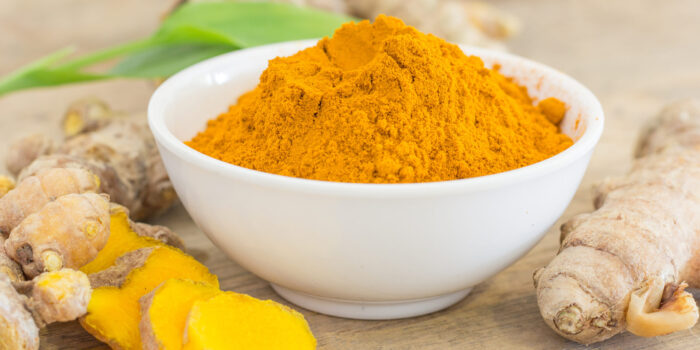
Does turmeric cure cancer?
CancerSnoop Verdict
FALSE
Turmeric and its main active compound, curcumin, have been studied for possible anti-cancer effects. But there is no reliable clinical evidence that turmeric can cure cancer in people.
Does Turmeric Cure Cancer? The Short Answer
Does turmeric cure cancer? There is currently no good evidence that turmeric cures cancer.
Turmeric is a spice that contains compounds called curcuminoids, including curcumin. Laboratory studies have found that curcumin can affect cancer cells in several ways, which has made it an interesting subject for cancer research. But results from cells or animals do not prove that turmeric can treat cancer in humans. There is currently no good evidence that turmeric cures cancer.
What’s true
Curcumin is being studied in cancer research.
Laboratory studies have found that curcumin can affect biological processes involved in cancer cell growth and survival. Researchers continue to investigate whether these effects could have clinical value.
What’s false
Turmeric has not been shown to cure cancer.
Findings in cells or animals are not proof that turmeric can eliminate cancer in people. Turmeric or curcumin should not be used as a replacement for established cancer treatment.
What the evidence says
Curcumin, one of the main compounds found in turmeric, has shown anti-cancer activity in laboratory studies. Researchers have observed effects on processes involved in cancer cell growth, inflammation, cell signaling and cell death.
But laboratory results are very different from proving that something treats cancer in people. Curcumin is also poorly absorbed by the body when taken orally, which makes translating laboratory findings into effective treatments more difficult.
Human studies have investigated curcumin in different cancer settings, including alongside conventional treatments, but the evidence remains limited. There is currently no established clinical evidence that turmeric or curcumin can cure cancer or replace standard cancer treatment.
Where the claim comes from
Claims that turmeric can cure cancer largely come from laboratory research showing that curcumin can affect cancer cells and biological pathways associated with cancer.
These early findings are often shared online without an important distinction: a substance showing an effect on cancer cells in a laboratory does not mean that eating it or taking it as a supplement will treat cancer in the human body.
This gap between promising laboratory research and proven human treatment is where the “turmeric cures cancer” claim becomes misleading.
CancerSnoop Takeaway
Interesting laboratory evidence is a reason to continue research — not evidence of a cancer cure.
Could this be harmful?
It can be, especially if turmeric or curcumin is promoted as an alternative to proven cancer treatment. Delaying or stopping recommended treatment in favor of an unproven remedy can allow cancer to progress.
Turmeric used normally in food is different from taking concentrated curcumin or turmeric supplements. Supplements can contain much higher doses and may interact with medications or cause side effects. People receiving cancer treatment should discuss supplements with their oncology team before taking them.
CancerSnoop Warning
“Natural” does not automatically mean safe during cancer treatment, and turmeric supplements should not be treated as a substitute for cancer therapy.
What we still don’t know
Researchers are still studying whether curcumin could have a useful role in cancer care, including whether specially formulated versions could improve absorption and whether it might be useful alongside certain cancer treatments.
Some early clinical studies have produced interesting results, but the studies are generally too small or limited to establish curcumin as an effective cancer treatment.
Research Perspective
Future research may identify specific uses for curcumin or compounds derived from it. For now, however, that possibility should not be confused with evidence that turmeric cures cancer.
Sources
National Cancer Institute — Curcumin (Curcuma, Turmeric) and Cancer
NCI concludes there is not enough evidence to know whether curcumin can prevent or treat cancer, and it is not FDA-approved as a cancer treatment.
National Cancer Institute source →Cancer Research UK — Turmeric and cancer
Cancer Research UK explains that although curcumin has shown effects on cancer cells in laboratory studies, there is currently no clear evidence in humans that turmeric or curcumin can prevent or treat cancer.
Cancer Research UK source →Memorial Sloan Kettering Cancer Center — Turmeric
MSK reviews the research on turmeric/curcumin, including laboratory and clinical studies, and notes potential drug interactions and safety considerations with concentrated supplements.
Memorial Sloan Kettering source →Questions for your doctor
If you are considering turmeric or curcumin during cancer treatment, you may want to ask:
- Is it safe for me to take turmeric or curcumin supplements with my treatment?
- Could curcumin interact with any of my cancer medicines or other medications?
- Is using turmeric normally in food safe for me?
- Is there any clinical evidence for curcumin in my specific type of cancer?
- Should I tell my oncology team about all supplements and herbal products I take?
CancerSnoop does not provide personal medical advice. Supplements and major treatment decisions should be discussed with your healthcare team.
Related Posts


Comments (0)