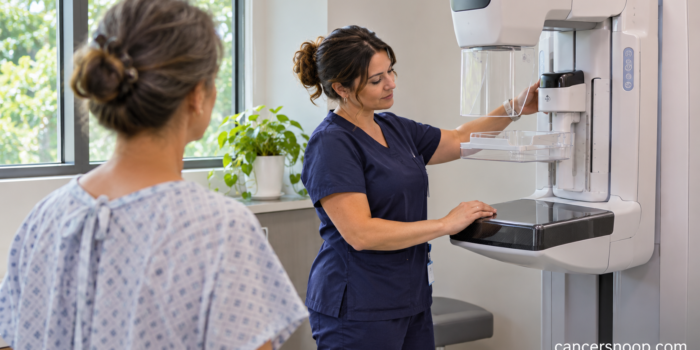
A mammogram after lumpectomy looks for changes in the remaining breast tissue. After breast-conserving surgery and radiation, the first examination is often scheduled about 6 to 12 months after radiation ends. Confirm your timing with the team that manages your follow-up.
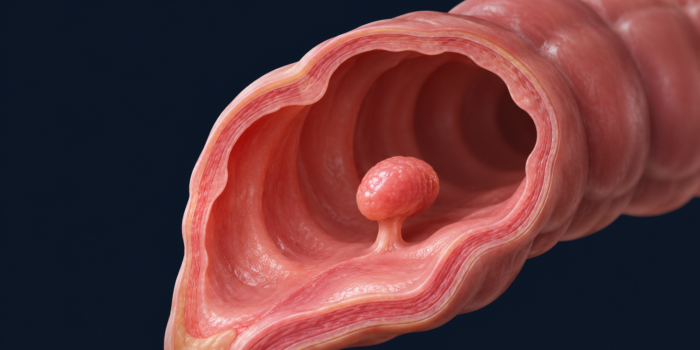
Tubular Adenoma After Colonoscopy: What Your Polyp Report Means
CancerSnoop Test Guide
Tubular Adenoma After Colonoscopy: What Your Polyp Report Means
A tubular adenoma is a type of colon polyp that can develop into cancer over time if left in place. After removal, its size, number and pathology help determine when you need another colonoscopy.
| Test Name | Pathology examination of a removed colorectal polyp |
|---|---|
| Test Type | Tissue examination after colonoscopy |
| What It Measures | The pathologist examines the tissue to identify the polyp type and look for abnormal cell changes or invasive cancer. |
| Used For | Classifying a removed polyp and helping determine follow-up together with the colonoscopy findings. |
| Cancer Types | Colorectal cancer prevention and surveillance |
A polyp and an adenoma describe different things
Polyp describes a growth projecting from the bowel lining. Adenoma describes a type of polyp based on what the tissue looks like under the microscope. A colorectal adenoma is a precancerous growth that can develop into cancer over time if left in place. A report that says tubular adenoma describes the type of tissue removed. Ask for the full wording if you have only received a message saying a polyp was found. [1] [3]
What tubular and dysplasia mean on the report
Tubular refers to the pattern of glands in the tissue. Dysplasia refers to abnormal-looking cells. The grade describes the appearance of those cells. If you see high-grade dysplasia, ask whether the report also describes invasion. The finding of high-grade dysplasia alone does not establish that cancer has invaded deeper tissue. Your clinician can explain what the complete report shows. [2] [3]
Why the colonoscopy report matters as much as the lab result
The lab describes the tissue it received. The colonoscopy report records details such as how many polyps were seen, their size, the quality of bowel preparation and whether the endoscopist could examine the entire colon. The follow-up recommendation uses both reports. An appointment interval quoted for another person may reflect a different examination or a different history. [2]
What a follow-up interval actually assumes
One example from US guidance is repeat colonoscopy in seven to ten years for average-risk adults after complete removal of one or two tubular adenomas smaller than 10 mm during a high-quality examination. That recommendation has conditions. More adenomas, a larger adenoma or other pathology features can change the interval. A history of colorectal cancer or a hereditary syndrome can also make a different plan appropriate. [2]
Three details to confirm after removal
Ask how many adenomas were removed, whether the clinician considers the removal complete and when the next examination is due. If you received one recommendation immediately after colonoscopy and another after pathology, ask which is the final plan. Keep the pathology result and the follow-up date together so you can find both when the next appointment is arranged. [2] [3]
Do all polyps have the same follow-up?
Different polyp types can lead to different follow-up recommendations. Use the written recommendation for your exam and ask whether it was made before or after the pathology result. [2]
This guide is for general education. Your care team can interpret your individual results.
Sources and References
Continue Exploring